
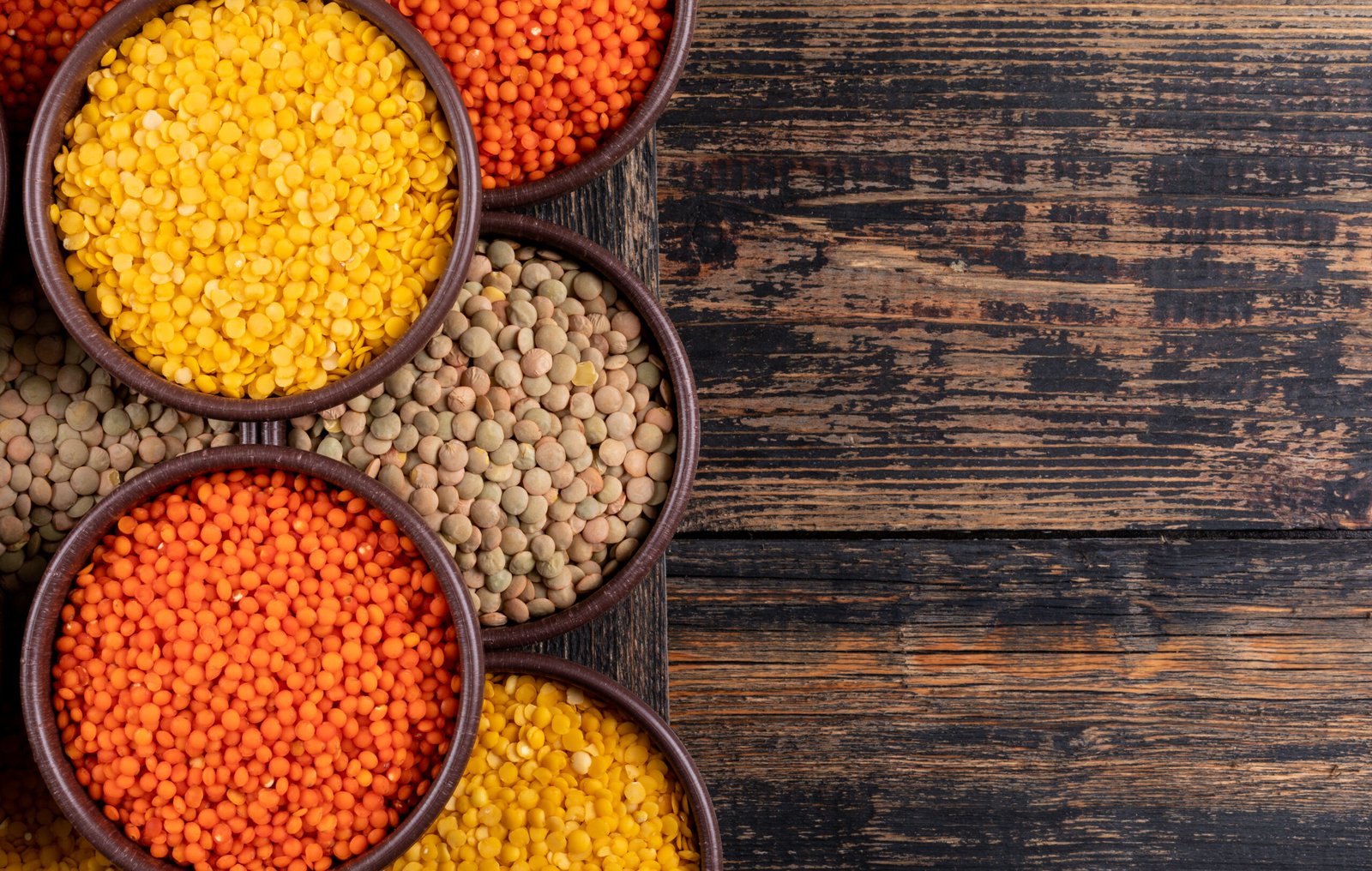
Why Pulses Are Necessary for Day-to-Day Life
Pulses, also known as legumes, are one of the most nutrient-rich, affordable, and environmentally sustainable food sources available today, and they play a crucial role in the diets of millions of people around the world. From lentils and chickpeas to moong dal and rajma, pulses are more than just ingredients – they are cultural staples, nutritional treasures, and culinary cornerstones. Their relevance in daily diets spans not only across different cuisines but also across socioeconomic backgrounds, ages, and dietary preferences. Pulses are rich in protein, fiber, vitamins, and essential minerals like iron, magnesium, potassium, and folate. These nutrients are essential for maintaining muscle mass, promoting healthy digestion, supporting heart health, and preventing diseases like diabetes, anemia, and even certain cancers. For vegetarians and vegans, pulses are a vital source of plant-based protein, often serving as the primary protein in their diets. Moreover, pulses are low in fat and contain no cholesterol, making them an excellent choice for people aiming to maintain or reduce weight, improve cholesterol levels, and manage blood pressure. Their low glycemic index also makes them ideal for individuals with diabetes, helping to stabilize blood sugar levels and provide long-lasting energy throughout the day. Beyond their health benefits, pulses are incredibly versatile and can be used in a wide variety of dishes, from soups and stews to salads, curries, and even snacks. For example, lentils can be made into dal, soups, patties, or even used in baking; chickpeas can be turned into hummus, added to curries, or roasted for a crunchy snack. Moong dal can be used in khichdi, chillas, pakoras, or even desserts like halwa. Each region in India has its own pulse-based specialties, reflecting the diversity and richness of our culinary heritage. From the comforting warmth of rajma chawal in North India to the spicy sambar of South India, pulses find a place in every kitchen. Additionally, pulses are incredibly easy to store and cook. With long shelf lives and minimal refrigeration needs, they are ideal pantry staples. A pressure cooker or instant pot makes preparation quick and convenient, allowing even busy families to prepare nutritious meals with minimal effort. For those looking to save time, pre-cooked or canned pulses are also available and can be added to recipes with ease. In the context of economic accessibility, pulses are a godsend. They offer the most nutritional value for the cost, making them indispensable in the diets of low-income populations. Even a small quantity of pulses can go a long way in meeting daily protein and nutrient requirements, thereby helping in the fight against malnutrition and food insecurity. Schools and community kitchens across the world include pulses in their meal programs for this very reason – they are filling, affordable, and packed with essential nutrients. For athletes and fitness enthusiasts, pulses serve as an energy-boosting superfood. Their high protein and complex carbohydrate content make them perfect for pre- and post-workout meals. Pulse-based protein powders are also becoming popular in the health and wellness market, offering clean, plant-based alternatives to whey or soy. Furthermore, pulses are suitable for people with gluten intolerance or celiac disease, offering a natural gluten-free option that doesn’t compromise on nutrition or taste. Pulses are also champions of sustainability.
Their cultivation enriches the soil through a process called nitrogen fixation, which reduces the need for chemical fertilizers. This not only cuts down on agricultural costs but also benefits the environment by minimizing greenhouse gas emissions. Pulses require significantly less water compared to animal-based protein sources, and they have a much smaller carbon footprint. In an age where climate change and environmental degradation are pressing concerns, promoting pulse consumption is a step towards more sustainable food systems. Governments and organizations worldwide are increasingly advocating for pulses as part of climate-smart agriculture and sustainable development goals. The UN even declared 2016 as the International Year of Pulses, recognizing their importance in achieving global food security and nutrition. Culturally, pulses are embedded in traditions, festivals, and everyday rituals. In India, dal is considered comfort food and is often the first solid food introduced to infants. It’s a staple in thalis, prasad offerings in temples, and even in festive meals. The simple act of preparing dal can evoke memories of home, family, and heritage.
Even in modern culinary innovation, pulses continue to shine – from pulse-based pasta and snacks to ready-to-eat meals and gourmet preparations in high-end restaurants. The food industry is constantly exploring new ways to harness the benefits of pulses in convenient, appealing formats that suit fast-paced urban lifestyles. In summary, the importance of pulses in our day-to-day life cannot be overstated. They are nutritious, affordable, sustainable, versatile, and culturally significant. Whether you’re cooking for health, tradition, or taste, pulses offer a smart and soulful solution. They support personal wellness, economic stability, and environmental stewardship – making them a true superfood for the people and the planet. By making pulses a regular part of our diet, we’re not just nourishing ourselves; we’re contributing to a more resilient and equitable food system. So, the next time you plan a meal, let pulses take center stage – because good health, good taste, and a good future can all begin with a simple bowl of dal.