
Dals & Pulses Health Benefits
The Humble Dal: Why This Everyday Staple Deserves a Place of Honor on Your Plate
Walk into almost any Indian kitchen and you’ll find at least three or four kinds of dal tucked away in the pantry — toor, moong, masoor, chana, urad. We’ve grown up with dal-chawal and dal-roti as comfort food, the dish we return to when nothing else feels right. But somewhere between fad diets and protein-powder trends, this everyday staple has quietly become one of the most talked-about foods in nutrition science.
At ROOTS, we work with pulses and dals every single day — sourcing them, sorting them, packing them — and it’s hard not to develop a deep respect for what these small seeds can do. So let’s talk about why dals deserve far more credit than they usually get.
What Exactly Are Dals and Pulses?
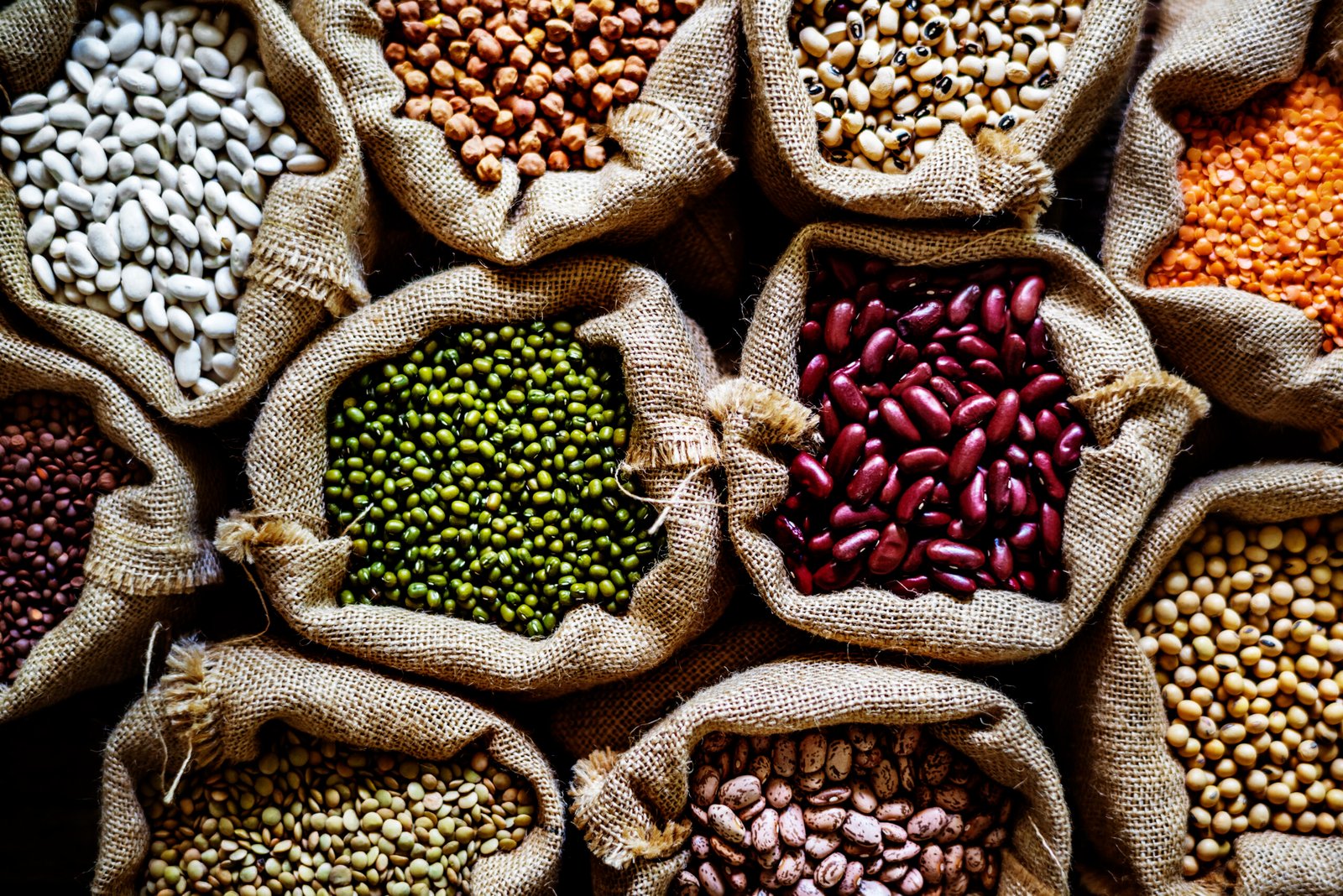
“Pulses” is the umbrella term for the edible seeds of leguminous plants — lentils, chickpeas, beans, and peas. “Dal” specifically refers to these pulses once they’ve been split and often de-husked, which is how most of us encounter them in Indian cooking. Toor dal, moong dal, masoor dal, urad dal, chana dal — each comes from a different parent legume, and each brings its own flavor, texture, and nutritional profile to the table.
Unlike grains, pulses are harvested specifically for their dried seed, which is part of why they store so well and pack such a nutritional punch per gram.
1. A Genuine Plant-Based Protein Powerhouse
This is the headline benefit, and for good reason. Dals are one of the richest plant-based protein sources available, typically offering anywhere from 18 to 25 grams of protein per 100 grams in their dry, uncooked form. For context, that puts many dals in the same conversation as meat and dairy when it comes to protein density.
For India’s large vegetarian population, dal has always quietly done the job that protein supplements try to do today. The catch — and it’s a manageable one — is that pulses are generally low in the amino acid methionine, while grains like rice and wheat are low in lysine. Pair them together, as nearly every regional Indian cuisine instinctively does with dal-chawal, dal-roti, or khichdi, and you get a complete amino acid profile. This isn’t a coincidence; it’s generations of food wisdom arriving at the same nutritional conclusion modern science now confirms.
2. Fiber That Actually Does Something
Dals are loaded with both soluble and insoluble fiber, often delivering 15-25 grams per 100 grams depending on the variety. Soluble fiber slows down digestion, which helps even out blood sugar spikes after a meal. Insoluble fiber adds bulk and keeps digestion moving smoothly.
This fiber content is also why a bowl of dal keeps you fuller for longer than many other foods of similar calorie count. It’s a simple, food-first way to manage appetite without needing to think about it.
3. Friendly to Blood Sugar Management
Because of their low glycemic index and high fiber and protein content, pulses cause a much slower, gentler rise in blood glucose compared to refined carbohydrates. This makes dals a genuinely useful food for people managing diabetes or insulin resistance, not as a restriction, but as a smart substitution — swapping in dal-based dishes for some of the more refined-carb-heavy parts of a meal.
4. Heart Health, the Unglamorous Way
Dals are naturally low in saturated fat and contain zero cholesterol, while being rich in potassium, magnesium, and soluble fiber — a combination that’s been associated with healthier blood pressure and cholesterol profiles. Regular pulse consumption has also been linked to lower LDL (“bad” cholesterol) levels in several population studies.
There’s nothing flashy about this benefit, but heart health rarely is. It’s built through small, repeated, boring-sounding choices — and a daily bowl of dal is about as boring and effective as healthy choices get.
5. A Quiet Source of Essential Micronutrients
Beyond protein and fiber, dals bring a respectable amount of iron, folate, magnesium, phosphorus, and zinc to the table:
- Iron is particularly important in a country with high rates of iron-deficiency anemia, especially among women.
- Folate plays a critical role in cell division and is especially important during pregnancy.
- Magnesium and potassium support muscle function and healthy blood pressure.
Pairing dal with a source of vitamin C — a squeeze of lemon, a side of tomato — can meaningfully improve how much of that plant-based iron your body actually absorbs.
6. Gut Health Support
The fiber in dals doesn’t just move things along mechanically — it also acts as a prebiotic, feeding the beneficial bacteria in your gut. A healthier gut microbiome has been linked to better digestion, stronger immune function, and even improved mood regulation. It’s one more reason dal deserves to be thought of as more than just a protein source.
7. Naturally Gluten-Free and Versatile
For anyone managing gluten sensitivity or celiac disease, dals are a naturally safe, nutrient-dense option that doesn’t feel like a compromise. They’re endlessly versatile too — soups, curries, dal-based snacks, dosas and idlis made from fermented pulse batters, even dal-based flours for baking. The same pulse can show up in a dozen different forms across a week without ever feeling repetitive.
8. Light on the Planet, Too
There’s a sustainability angle worth mentioning. Legumes fix nitrogen in the soil naturally, which means they require far less synthetic fertilizer than many other crops, and they generally have a much smaller water and carbon footprint than animal protein sources. Choosing dal isn’t just a personal health decision — it’s a relatively low-impact one for the environment as well.
Making the Most of Your Dal
A few simple habits go a long way:
- Soak before cooking. This reduces cooking time and helps lower the levels of naturally occurring anti-nutrients like phytic acid, improving mineral absorption.
- Combine with grains. Dal-chawal and dal-roti aren’t just comfort food pairings — they’re nutritionally complete combinations.
- Add vitamin C. A bit of lemon or tomato alongside your dal can boost iron absorption.
- Don’t skip the tadka. A light tempering of cumin, garlic, and ghee or oil isn’t just about flavor — fat helps with the absorption of certain nutrients too.
The Takeaway
Dal doesn’t need to be reinvented to be a superfood — it already is one, and it has been for thousands of years. In a world chasing the next nutritional trend, there’s something reassuring about a food that quietly delivers serious protein, fiber, and micronutrients, costs relatively little, and is already woven into the way Indian families eat every single day.
At ROOTS, our goal is simple: bring you dals and pulses that are sorted, cleaned, and packed with the same care you’d put in yourself, so that this everyday staple keeps showing up on your table the way it deserves to — consistently, reliably, and without compromise.
Add comment
You must be logged in to post a comment.
Login with